


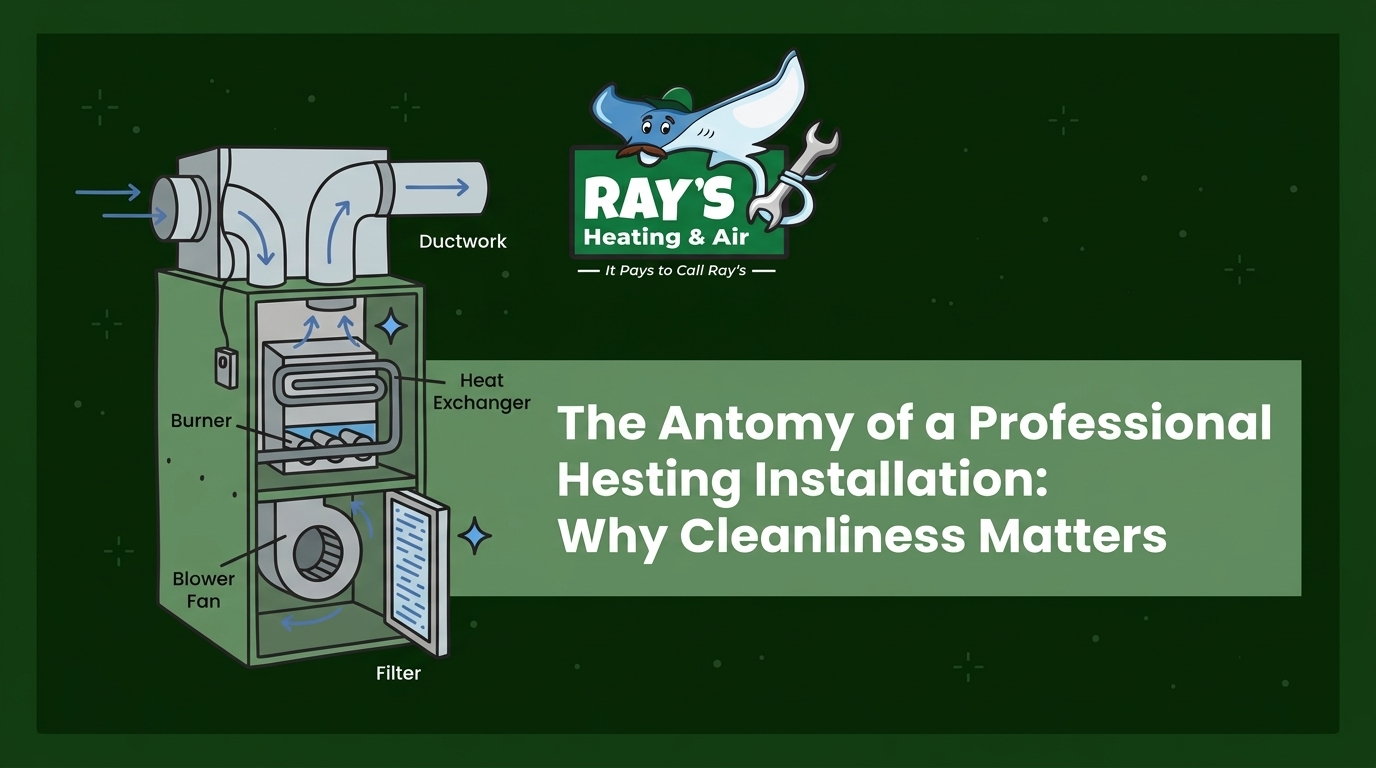
The Hidden Cost of a Rushed Heating Installation
When examining the anatomy of a professional heating installation: why cleanliness matters is often the most overlooked factor for homeowners facing a sudden breakdown. Your old furnace is running nonstop, yet the house still feels stubbornly chilly, and strange noises from the basement are impossible to ignore. In the rush to get warmth restored, it is easy to focus solely on the shiny new equipment being carried through the front door. However, the true difference between a system that lasts two decades and one that fails prematurely lies in the unseen details of the worksite. A sloppy, rushed fall installation leaves behind hidden threats—from contaminated refrigerant lines to poorly sealed joints—that quietly rob your new unit of its efficiency and lifespan.
If you are exploring your options for heating services, understanding these strict standards is crucial before booking your professional furnace installation.
The Direct Link Between Messy Worksites and Mechanical Failure
At Ray's Heating & Air, our experience serving Bucks and Montgomery Counties has shown us that premature heating system wear and poor efficiency are frequently traced back to the day the unit was installed. When an installation crew rushes through a job, the physical environment around the equipment becomes chaotic. Dust, drywall particles, and metal shavings from custom ductwork modifications settle onto exposed internal components. If a blower motor ingests this ambient construction debris before the system is even sealed, the motor must work harder from day one, leading to an increased electrical draw and early bearing failure.
Homeowners should evaluate an installation crew's worksite cleanliness not just as a courtesy, but as the primary indicator of internal mechanical precision. What happens on the outside of the equipment directly dictates how long the system will last on the inside. If the floor around the furnace is littered with wire clippings, unsealed mastic, and dirt, it is highly likely that the internal wiring and hidden duct connections were handled with the same lack of care.
• Rushed & Sloppy — Worksite Condition: Debris left on floors, tools scattered, no drop cloths. — Internal Mechanical Impact: Dust enters the blower compartment; brazing lines are left unpurged. — Long-Term Result: Premature motor wear, clogged valves, higher energy bills.
• Methodical & Clean — Worksite Condition: Spotless floors, organized tools, protected surfaces. — Internal Mechanical Impact: Sealed ductwork, clean coils, nitrogen-purged refrigerant lines. — Long-Term Result: Optimal efficiency, quiet operation, maximum system lifespan.
This stark contrast highlights why our team considers a clean worksite a non-negotiable requirement for any serious heating replacement project. The visual tidiness of the space is the only immediate proof a homeowner has that the internal mechanics were handled with exact precision.
Why We Treat Cleanliness as a Strict Mechanical Requirement
Exceptional respect for a home goes far beyond simply throwing down a few canvas drop cloths; it extends to the handling of the equipment itself. When a technician treats the physical environment with meticulous care, that same discipline applies to the complex internal wiring, the delicate evaporator fins, and the highly pressurized refrigerant lines. Exceptional respect for the customer's home—demonstrated through meticulous cleanup and precise routing—is a direct reflection of the crew's technical professionalism.
How Airborne Debris Threatens Sensitive Components
A messy worksite drastically increases the risk of dust, dirt, and construction debris entering sensitive internal components during the transition from the old unit to the new one. Modern furnaces and heat pumps rely on highly calibrated sensors, variable-speed motors, and microchannel coils. These components require unobstructed airflow to function correctly. If a crew leaves the return air drop open while sweeping up heavy dust, that debris is instantly sucked into the brand-new filter and blower wheel the moment the system is turned on.
• Clogged flame sensors: Even a thin layer of construction dust can insulate a flame sensor, causing the furnace to shut down randomly.
• Imbalanced blower wheels: Heavy particulate buildup on the blades of a blower wheel throws off its balance, leading to severe vibrations and noise.
• Coil restriction: Dust mixing with natural condensation on an indoor coil creates a sludgy barrier that blocks heat transfer, forcing the system to run longer to heat the home.
Because of these risks, the installers at Ray's Heating & Air frame meticulous cleanup and professional crew behavior as non-negotiable standards that prove the job is being done right. When evaluating the best HVAC companies, it always comes down to observing these strict operational standards in action. A crew that takes the time to neatly organize their materials and sweep the area before firing up the new system is actively protecting the internal mechanics of your investment.
In our daily work throughout Yardley, Bucks, and Montgomery Counties, we see firsthand how the baseline cleanliness of the installation environment sets the trajectory for the system's entire life. Cleanliness is not just about aesthetics; it is a vital mechanical safeguard.
Brazing and Nitrogen Purging: Keeping the Lines Clear
To truly understand the anatomy of a proper installation, you have to look inside the copper lines that connect the indoor and outdoor units of a heat pump. The process of brazing refrigerant lines involves using a high-temperature torch to melt a filler metal, creating a leak-proof seal between copper pipes. Because these lines carry highly pressurized refrigerant, this step must be executed with absolute precision. However, the heat required for brazing causes a dangerous chemical reaction if not handled correctly.
The Invisible Threat of Cupric Oxide
When oxygen inside a copper pipe is exposed to the extreme heat of a brazing torch, it forms cupric oxide—a black, flaky soot that coats the inside of the pipe. If this soot is left inside the lines, the highly pressurized refrigerant will eventually scrub it off. These microscopic abrasive flakes then travel through the system, acting like liquid sandpaper. Eventually, they clog the tiny screens of the thermal expansion valve (TXV) or enter the compressor, leading to catastrophic system failure.
The ACCA (Air Conditioning Contractors of America) Quality Installation Standards strictly mandate nitrogen purging during brazing to prevent this exact problem. By flowing a steady, low-pressure stream of inert nitrogen gas through the copper lines while torching, the oxygen is completely displaced. Without oxygen, cupric oxide cannot form, leaving the inside of the pipe as shiny and clean as the outside.
This technical step directly connects back to our main philosophy at Ray's Heating & Air: a crew that takes the time to keep the external worksite spotless is the same crew that takes the time to purge lines properly. Rushing through an October pre-winter heating-startup installation without nitrogen might save a technician twenty minutes, but it will lead to a massive unexpected repair bill when the compressor dies prematurely. The visible neatness of the exterior pipe insulation and the clean joints are strong indicators that the unseen interior was treated with the same rigorous care.

Precision Pipe Routing and Duct Sealing for Optimal Airflow
The physical layout and structural neatness of a new heating system heavily impact both its daily energy efficiency and its future serviceability. A disorganized jumble of wires, overlapping pipes, and hastily taped ductwork is not just an eyesore; it is a mechanical liability. Proper installation requires a methodical approach to how every single connection is routed and secured.
Steps to Ensuring Seamless Airflow and Access
1. Strategic Pipe and Wire Routing: Neat, logical pipe and low-voltage wire routing isn't just for aesthetics; it ensures proper airflow around the unit. If exhaust PVC pipes or refrigerant lines block the filter access door or the blower panel, changing the filter becomes a frustrating chore, and future diagnostic access becomes significantly harder for technicians.
2. Vibration Isolation: Lines that are tightly zip-tied and routed parallel to the ductwork prevent metal-on-metal rubbing. Unsecured lines will vibrate whenever the unit runs, eventually wearing a hole in the copper and causing a severe refrigerant leak.
3. Comprehensive Duct Sealing: Properly routed and sealed ductwork prevents ambient dust and basement debris from entering the air stream. Using professional-grade mastic and foil tape on all plenums and return drops ensures that the system only pulls air from the living space, rather than sucking in damp, dusty air from the utility room.
4. Thorough Static Pressure Testing: Once the physical layout is complete and sealed, the system must be tested to ensure the airflow meets the manufacturer's exact specifications, confirming that the neat layout translates to actual heating performance.
These practices are essential for the seamless transition of removing old, outdated units and installing modern replacements cleanly. During an October pre-winter heating-startup project last year in Yardley, our crew was called to replace an outdated HVAC unit that had suffered from years of poor airflow and chronic performance issues. The transition required carefully extracting the old equipment and routing the new duct transitions to eliminate the previous airflow bottlenecks. Because our Ray's Heating & Air technicians maintained a pristine, organized worksite, the new setup was installed flawlessly, and the entire system was explained in full detail to the homeowner. If you are scheduling furnace replacement services, ensuring the crew follows these strict routing and sealing steps is vital for long-term comfort across Bucks and Montgomery Counties.
Facing the Freeze: Installation Standards for Harsh Winters
The importance of a flawless, impeccably clean installation becomes glaringly obvious when the weather turns hostile. In our local climate, winter temperatures frequently drop well below freezing, forcing heating systems to run continuously at maximum output just to maintain a safe indoor temperature. This extreme operational stress leaves absolutely no room for mechanical error.
Why Mild Weather Hides Installation Flaws
Debris-induced inefficiencies or minor line blockages might go entirely unnoticed during the mild days of early autumn. A furnace with a slightly restricted blower wheel or a heat pump with a partially clogged expansion valve can easily keep a home comfortable when it is 55°F outside. However, when the temperature plummets to 15°F in mid-January, those hidden installation flaws compound rapidly. The system struggles to keep up, runs without stopping, and eventually overheats or locks out, leaving the home dangerously cold.
This is why the October pre-winter heating-startup season is the critical window to ensure systems are installed completely free of contaminants. The baseline quality established on the day of installation dictates how the system will behave under the severe stress of a winter storm. Uninterrupted heating reliability during freezing temperatures depends entirely on the initial precision of the pipe routing, the purity of the brazed lines, and the tightness of the duct seals.
When our team provides local heating care services in Yardley, we account for these extreme temperature drops. A professional installation crew knows that the work they do on a mild fall afternoon must be robust enough to withstand the brutal, continuous operation required during a January blizzard. By treating worksite cleanliness as a mechanical necessity rather than an afterthought, we ensure that the system is fully prepared to face the freeze without faltering.
The Visual Cues of a Flawless System Overhaul
Since homeowners cannot see inside the sealed copper lines or the enclosed ductwork, they must rely on external visual cues to verify the quality of the workmanship. A high-quality job leaves behind specific, unmistakable markers that prove the installation was handled with deep mechanical precision. Knowing what to look for empowers you to protect your home and your investment.
The Professional Installation Checklist
When a complete system redesign and revamp is finished, it should look aesthetically pleasing, highly organized, and perfectly integrated into the utility space of the home. Look for these visual signs of a high-quality job:
• Spotless surroundings: Swept floors, wiped-down equipment, and absolutely no old screws, wire clippings, or metal shavings left behind.
• Organized wiring: Low-voltage control wires should be neatly zip-tied, run in straight lines, and secured away from hot exhaust pipes or sharp metal edges.
• Perfectly insulated lines: Refrigerant lines must be fully wrapped in thick, undamaged foam insulation (Armaflex) all the way to the service valves, preventing condensation and energy loss.
• Sealed connections: Visible duct transitions should be painted with smooth, gray mastic sealant or secured with professional-grade foil tape, leaving no open gaps for air to escape.
• Level equipment: The furnace or air handler should sit perfectly plumb and level on its base or hanging brackets, ensuring proper drainage of condensation.
Recently, a Yardley homeowner called our Ray's Heating & Air team to replace two 25-year-old original heat pumps just before the first frost. Moving heavy, decades-old equipment out of a home without causing damage requires strict operational standards. After offering clear product information and ensuring the worksite was fully protected, our technicians successfully installed the new heating equipment. The visual cues of that flawless system overhaul mirrored the internal precision of the new units, which now operate reliably.
A professional crew will always provide clear product options, complete operating instructions, and transparent warranty details before leaving the home. Ultimately, what satisfies a homeowner is knowing their investment is thoroughly protected, proven by these visible markers of care across Bucks and Montgomery Counties.
Protecting Your Investment with a Professional Assessment: The Anatomy of a Professional Heating Installation
A clean worksite is the ultimate reflection of internal mechanical precision and system longevity. From the meticulous nitrogen purging of refrigerant lines to the careful sealing of ductwork, every step taken to keep the environment organized directly protects the sensitive components inside your new unit. Additionally, federal tax credits and utility incentive programs may apply to qualifying high-efficiency heat pump and furnace installations, making it even more important to have the job done right. We advise readers to verify current programs with their utility or a tax professional to maximize their investment.
As you prepare for a new furnace or heat pump, remember that you deserve a crew that respects both your home and the complex engineering of your equipment. With the October pre-winter heating-startup season approaching, now is the ideal time to ensure your home is ready for the cold. We encourage you to explore professional, high-standard installation options with Ray's Heating & Air so you can face the winter with absolute confidence in your heating system's reliability.
Frequently Asked Questions
What should I expect during a furnace installation?
You should expect a highly organized process that prioritizes the protection of your home and the precision of the equipment. A professional crew will lay down drop cloths, carefully remove the old unit, and methodically install the new system while keeping the area clean. Before leaving, they will test the system's airflow and walk you through the new thermostat controls and warranty details.
What are the signs of a bad HVAC installation?
The most obvious signs of a bad installation are a messy worksite, tangled wiring, and unsealed ductwork. If you see metal shavings on the floor, feel air leaking from the duct joints, or notice that the unit is not sitting level, the internal mechanics were likely rushed as well. Strange noises, immediate uneven heating, and excessive vibration are also strong indicators of poor workmanship.
How messy is a furnace replacement?
A professional furnace replacement should not be messy at all. While removing decades-old equipment naturally kicks up some dust, a strict crew will use protective coverings, sweep continuously, and remove all debris the same day. By the time the installation is complete, your utility room should look cleaner than it did before the crew arrived.
What are the signs of a good HVAC installation?
A good installation is visually neat, logically routed, and completely sealed. You will see neatly zip-tied wires, perfectly insulated refrigerant lines, and smooth mastic sealant on all air connections. Furthermore, the system will run quietly, the temperature will be consistent throughout the home, and the technicians will have clearly explained the operation of your new equipment.
Why is worksite cleanliness important during furnace installation?
Worksite cleanliness is a vital mechanical safeguard that prevents ambient dust and construction debris from entering the sensitive internal components of the new system. If dirt gets sucked into the blower motor or coats the indoor coil, it reduces efficiency and causes premature wear. A clean site proves that the crew is actively protecting the lifespan of your investment.
How does pipe routing affect my heating system's efficiency?
Proper pipe routing ensures that airflow is never restricted and that maintenance access remains completely unobstructed. If pipes or wires block the filter door, routine maintenance is often neglected, leading to clogged filters and severely reduced efficiency. Additionally, neatly routed lines prevent vibration, which protects against long-term refrigerant leaks.
Recent Posts


